Source Laboratory Sieve for Flour, Soil, and Powder Testing
Find 30 laboratory sieve options for flour, soil, and powder testing. Compare stainless steel and copper models with mesh sizes from 40 to 1000 mesh. View specifications for diameters up to 400mm and verify ISO 3310 compliance for accurate particle size analysis.
Key considerations
Products List


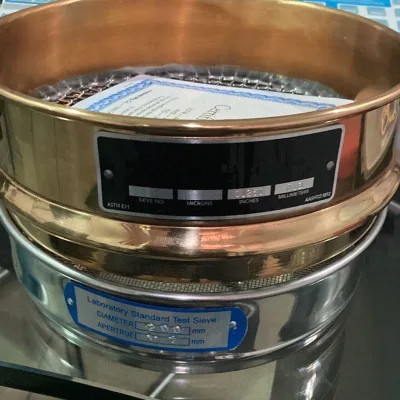


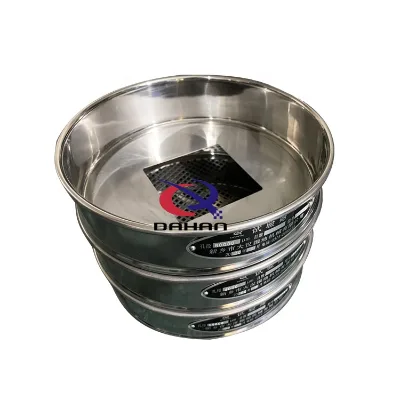
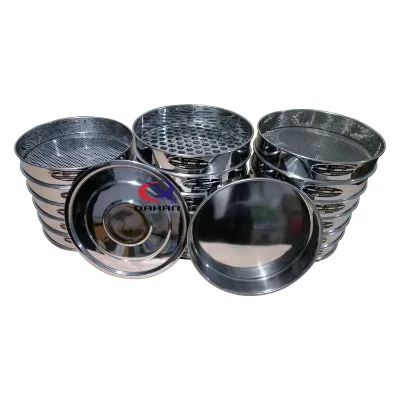


Comprehensive Sourcing Guide
Laboratory Sieve Sourcing Guide
Sourcing laboratory sieves requires a precise understanding of the specific mesh requirements and material compatibility needed for your testing environment. The available market data indicates a diverse range of options, from manual stainless steel and copper models to specialized units designed for soil, flour, and agricultural product analysis. Buyers must distinguish between general-purpose sieves used in basic particle size distribution and high-precision instruments intended for rigorous ASTM or ISO compliance testing. The observed product listings reveal that customization is a primary feature, with suppliers offering tailored mesh counts ranging from 1 to 1000 mesh and diameters spanning from 8cm to 80cm or larger.
The procurement process for these instruments involves evaluating the intended application, whether it is for beverage, dairy, or pet food processing, or for laboratory testing of materials like cement, wood, and textiles. The supply chain offers both standard configurations and fully customized solutions, with some manufacturers providing OEM support and specific weave styles such as plain weave to meet unique filtration needs. Buyers should note that while some listings mention specific model names like "Renyang" or "Vibrating Screen," the core functionality often relies on the mesh aperture and the structural integrity of the frame, which is typically constructed from stainless steel grades like 304, 316, or 316L to ensure durability and corrosion resistance.
Product Scope and Observed Listing Signals
The product scope for laboratory sieves extends beyond simple mesh screens to include complete assembly systems, such as test sieves with wooden or carton packaging, and specialized shakers designed for lightweight fine separation. Market observations show that these products are frequently categorized by their application in industries ranging from agriculture and forestry to food processing and chemical testing. The listings highlight a significant variation in product models, including specific diameters like 200mm, 300mm, and 450mm, as well as thicknesses ranging from 0.15mm to 15mm, which directly impacts the rigidity and lifespan of the sieve during repeated use.
Buyers should carefully analyze the listed attributes to determine if the product fits their specific workflow, as some units are designed for manual operation while others are integrated into automatic systems with voltage requirements of 220V and protection classes like IP55. The observed data suggests that suppliers often provide a wide array of mesh options, including 40, 50, 60, 80, 100, 150, and 200 mesh, alongside custom ranges up to 1000 mesh, allowing for granular control over particle separation. It is critical to verify whether the listed "Product name" refers to a simple soil sieve or a complex testing apparatus, as the latter may require additional accessories like shakers or specific mounting hardware to function correctly.
Technical Specifications to Verify
When evaluating technical specifications, the mesh count and aperture size are the most critical parameters, as they dictate the precision of the particle separation process. The available data confirms that mesh sizes can range from 1 to 600 mesh, with some suppliers offering up to 1000 mesh, but buyers must verify the actual aperture dimensions against international standards rather than relying solely on the mesh number. The material composition is equally vital, with stainless steel being the predominant choice for its resistance to corrosion and ease of cleaning, though copper and other alloys are also listed for specific applications where conductivity or specific chemical resistance is required.
Structural integrity and dimensional accuracy must be confirmed through detailed specification sheets, as the diameter of the sieves can vary from 10cm to 80cm or be fully customized to fit specific testing frames. Buyers should also inspect the weave style, which is typically plain weave for standard applications, and verify the hole shape, which may be square or round depending on the material being tested. The thickness of the wire, ranging from 0.15mm to 15mm, influences the flow rate and the ability of the sieve to withstand the mechanical stress of vibration or shaking, making it a key factor in selecting the right equipment for high-volume or high-precision testing environments.
Compliance and Safety Documentation
Compliance with international standards is a non-negotiable aspect of sourcing laboratory sieves, particularly for applications in pharmaceuticals, food safety, and construction materials. The observed listings reference specific standards such as ISO 3310 and ASTM E10, which govern the dimensions and tolerances of test sieves, ensuring that the equipment produces consistent and reproducible results across different laboratories. Buyers must request certification documents that explicitly confirm adherence to these standards, as the mere mention of a standard in a product title does not guarantee that the specific unit meets the required tolerances for aperture size and frame flatness.
Safety and operational documentation should also include details on the electrical safety of any automated components, such as the IP55 protection class observed in some listings, which indicates protection against dust and water jets. For sieves used in food or beverage processing, verifying that the materials are food-grade and free from contaminants is essential, and buyers should look for certifications like CE or ISO that validate the manufacturing process. Additionally, the warranty period, often listed as one year, serves as a baseline for quality assurance, but buyers should clarify the scope of coverage regarding mesh damage, frame deformation, or electrical failures to ensure long-term operational reliability.
Cost Drivers and Commercial Terms
The cost of laboratory sieves is driven primarily by the material grade, mesh precision, and the level of customization required, with prices observed in the market ranging from $0.50 to $600 depending on the complexity and size of the unit. Stainless steel grades like 316L command a higher price point than standard 304 due to their superior corrosion resistance, while custom mesh counts and non-standard diameters add to the manufacturing cost. Buyers should be aware that the minimum order quantity (MOQ) can vary significantly, with some suppliers offering single-piece orders while others may have higher thresholds, impacting the total cost of ownership for small-scale laboratories or pilot projects.
Commercial terms such as delivery time and packaging are also significant factors in the total procurement cost, with lead times typically ranging from 3 to 10 working days for standard items. The packaging method, whether wooden boxes or carton cases, affects shipping costs and the risk of damage during transit, particularly for larger diameter sieves that require rigid support. Buyers should negotiate clear terms regarding the handling of custom orders, as these often involve longer lead times and higher costs due to the specialized tooling and quality control processes required to meet specific mesh and dimensional tolerances.
Supplier Qualification and Quality Control
Supplier qualification should focus on verifying the manufacturer's business type, as the market includes both direct manufacturers and trading companies, each offering different advantages in terms of pricing and technical support. The observed data indicates that suppliers are located in regions like Shanghai and Hebei in China, and buyers should assess the supplier's capacity to provide consistent quality control, especially for custom orders where the mesh count and frame dimensions must be precise. Requesting samples or third-party inspection reports is a prudent step to validate the supplier's ability to meet the specified standards and material requirements before committing to a large order.
Quality control processes should be scrutinized to ensure that the sieves undergo rigorous testing for mesh aperture accuracy, frame flatness, and material integrity. Buyers should inquire about the supplier's internal testing protocols, including how they verify the weave style and hole shape, and whether they perform random sampling or 100% inspection on finished goods. The presence of certifications like ISO and CE suggests a commitment to quality management systems, but buyers must confirm that these certifications are current and applicable to the specific products being purchased to avoid receiving substandard equipment that could compromise testing results.
Long-Term Procurement Checks
Long-term procurement success depends on establishing a reliable supply chain that can consistently deliver high-quality sieves with minimal downtime or quality issues. Buyers should monitor the supplier's ability to maintain inventory levels for standard mesh sizes and diameters while also ensuring they can handle custom requests efficiently. The warranty period, typically one year, should be reviewed annually to ensure that the supplier remains responsive to any claims regarding mesh degradation or frame damage, and buyers should maintain a record of all maintenance and calibration activities to extend the lifespan of the equipment.
Regular audits of the supplier's production capabilities and quality control records are essential to mitigate the risk of supply chain disruptions or quality drift over time. Buyers should also evaluate the supplier's responsiveness to technical inquiries and their ability to provide updates on new standards or material innovations that could improve testing efficiency. By maintaining a proactive relationship with the supplier and conducting periodic performance reviews, organizations can ensure that their laboratory sieve inventory remains reliable, compliant, and capable of supporting their long-term testing and quality assurance objectives.
FAQs
What materials are used for laboratory sieves?
Laboratory sieves are typically constructed from stainless steel, copper, or plastic. Stainless steel grades such as 304, 316, and 316L are common for durability and corrosion resistance. Some specialized applications may utilize copper or plastic materials for specific soil or garden product testing requirements.
What mesh sizes are available for test sieves?
Test sieves are available in a wide range of mesh counts, including 40, 50, 60, 80, 100, 150, and 200 mesh. Custom options can extend from 1 to 600 mesh or even up to 1000 mesh, allowing for precise particle size analysis across various industrial and laboratory applications.
Which standards do laboratory sieves comply with?
High-quality test sieves often comply with international standards such as ISO 3310 and ASTM E10. These standards ensure accuracy and consistency in particle size analysis. Some products may also reference ISO 3310 or ASTM E11 for specific testing protocols, ensuring reliable results for quality control.
Can laboratory sieves be customized for specific needs?
Yes, customization is available for many laboratory sieve models. Buyers can request specific diameters ranging from 8 to 80 cm or standard sizes like 200mm, 300mm, and 400mm. Customization also extends to mesh count, hole shape, and material selection to meet unique testing requirements.
What is the typical lead time for ordering sieves?
The delivery time for laboratory sieves typically ranges from 3 to 10 working days. This timeframe allows for efficient processing and shipping. Buyers should confirm specific lead times with suppliers, as production schedules and customization requirements may slightly affect the final delivery date.
What certifications are associated with these sieves?
Many laboratory sieves carry certifications such as ISO and CE. Some products may also be associated with ISOSAMET standards. These certifications indicate that the manufacturing processes and product quality meet recognized international benchmarks for safety and performance in laboratory and industrial settings.